
Maltodextrin
Activating
Absorption
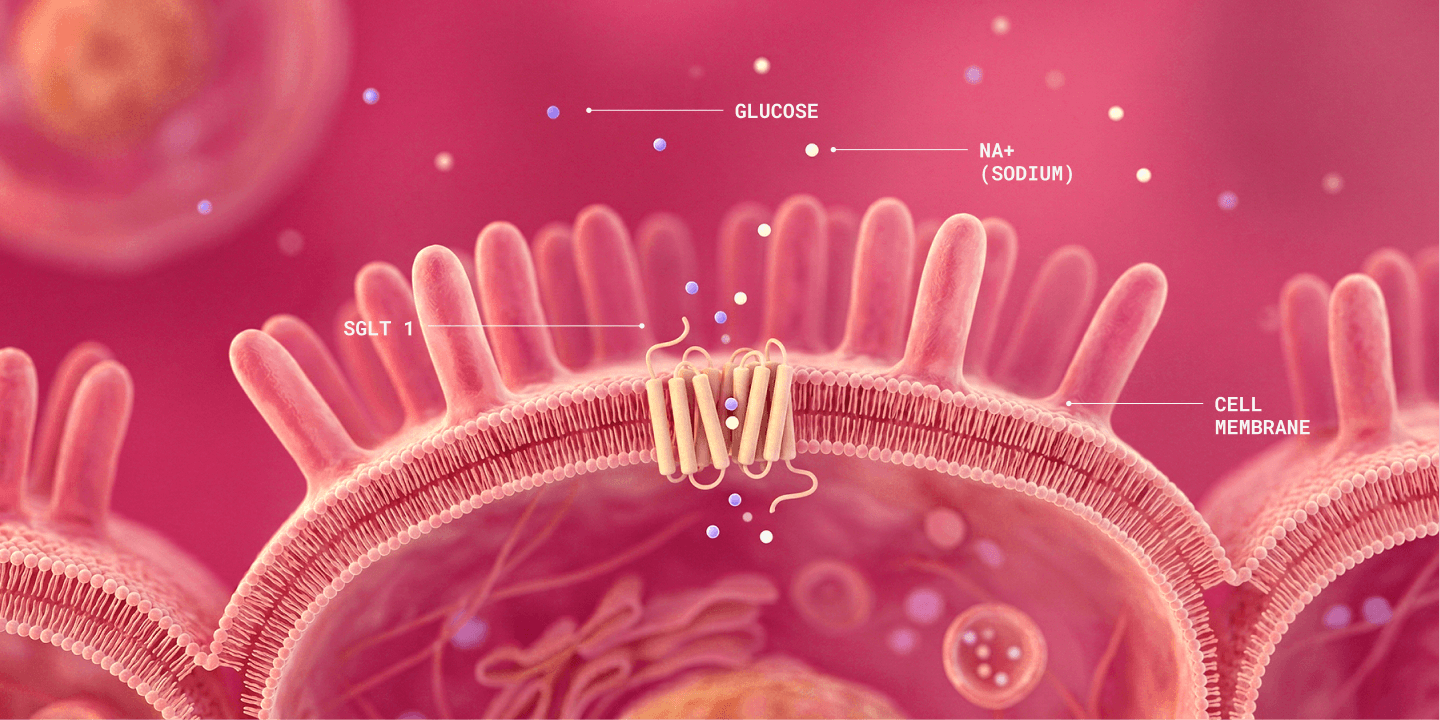
Zeltic includes maltodextrin as a source of glucose to activate the SGLT1 transporter. This process drives sodium uptake into intestinal cells, creating the osmotic conditions required for water absorption and improved hydration efficiency.
SGLT1 Activation
Maltodextrin activates the SGLT1 transporter
Glucose Transport
SGLT1 uses sodium to pull glucose into intestinal cells
Osmotic Flow
Water follows through osmotic movement to maintain balance
Hydration Delivery
Fluids and electrolytes enter the bloodstream
Essential Vitamins
Aiding Cellular
Support
Hydration is more than fluid intake. Zeltic includes essential B and C vitamins to support energy systems, oxygen delivery, and recovery, helping your body use hydration effectively at a cellular level.
Vitamin B12
Supports red blood cells and nerve function.

Vitamin B6 & B3
Supports energy metabolism.

Vitamin C
Supports recovery and reduces stress.
Supporting The System

Zero Sugar
Zeltic is made with zero sugar which means no sugar spikes. No crashes. Minimal maltodextrin activates absorption, helping your body take in what it needs, without unnecessary load.

Zero Calories
Zeltic contains zero unnecessary calories. It delivers essential electrolytes without added sugars or fillers, so hydration stays efficient and lightweight.
Proven Hydration Model

Gold Standard
Proven to work across dehydration, heat, illness, and physical exertion.
 Sodium
Sodium plays the biggest role in hydration. It helps your body absorb and retain water, keeping fluid levels stable outside your cells. When sodium levels drop, water isn't used efficiently and is often lost quickly. Replacing it is what makes hydration actually work effectively.
Too Little
Below ~3g/day, risk rises sharply. Water absorbs poorly. Hydration efficiency drops. Cells can't maintain osmotic balance.
Optimal Range
Between 3-5g/day, risk is lowest. This is where your body functions best. Zeltic's 550mg per stick helps you stay in this window after activity.

Too Much
Above ~6g/day, risk climbs again. Excess sodium strains kidneys, raises blood pressure, disrupts cellular balance.

- Maintained by the sodium-potassium pump
- Creates electrical balance for muscle, nerve, and hydration function
- 380 mg potassium supports intracellular fluid balance and muscle function

- Involved in 300+ cellular reactions
- Supports energy and muscle function
- Helps prevent cramps and fatigue
- 70 mg supports recovery without digestive overload
Hydration isn't just about how much water you drink. It's about what your body loses and how it
  replaces it.
When you sweat, you don't just lose fluid. You lose essential minerals like sodium, potassium, and magnesium. The same ones that help your body maintain balance, move efficiently, and recover.
Sodium
Potassium
Magnesium
Electrolyte loss values are typical estimates derived from published sweat electrolyte concentrations (Jeukendrup & Baker, 2014; Precision Hydration sweat-test dataset) and activity-specific sweat rates (Baker et al., 2020). Individual losses vary with intensity, climate, and physiology.
How much you lose depends on how you move. A long run, a workout, a hot day, or even a packed schedule can all shift that balance in different ways.
Drinking water alone doesn't always bring things back to where they should be. Without those missing minerals, your body can't use that water as effectively.